Heavy Duty Aluminum Boats Explained for Beginners
2025-05-10
Heavy Duty Aluminum Boats Explained for Beginners
When it comes to boating, heavy duty aluminum boats stand out for their strength, versatility, and ease of use. These boats are built to handle tough conditions, making them a favorite for many beginners. Why are they so popular? Let’s look at the numbers:
-
The global aluminum bass boat market was valued at $1.5 billion in 2023.
-
Experts predict it will grow to $2.8 billion by 2032.
-
It’s growing at a steady rate of 6.5% annually.
Their durability, low maintenance, and cost-efficiency make them the perfect choice for first-time boaters.
Key Takeaways
-
Strong aluminum boats last long and handle rough waters well.
-
They are light, saving fuel and easy to move around.
-
You won’t need much upkeep, so you’ll enjoy more boating time.
-
Pick the right boat based on fishing, cruising, or family trips.
-
Learn local rules to stay safe and follow boating laws.

Key Features and Benefits of Heavy-Duty Aluminum Boats
Durability and strength
Heavy duty aluminum boats are super tough and long-lasting. They can handle rough waters, hits from rocks, and years of use. Aluminum doesn’t crack or split easily, even when bumped by logs or other obstacles.
Here’s a simple comparison between aluminum and fiberglass:
|
Attribute |
Aluminum |
Fiberglass |
|---|---|---|
|
Weight |
Lighter; saves fuel and moves faster |
Heavier; stable but needs more power |
|
Durability |
Resists impacts; fewer cracks |
Can crack or blister over time |
|
Maintenance |
Easy care; rinse and polish sometimes |
Needs gelcoat fixes and buffing |
|
Longevity |
Lasts longer with less wear |
Strong but wears out faster in tough spots |
Many brands offer a 25-year hull warranty, showing their trust in aluminum’s strength. Foam-filled sections add safety too. Even if the hull gets damaged, the boat won’t sink.
Lightweight design for easy handling
These boats are light, making them simple to use and tow. A lighter boat uses less fuel, speeds up faster, and turns easily.
Here’s why lightweight boats are great:
|
Advantage |
Description |
|---|---|
|
Uses less fuel, saving money for boaters. |
|
|
Improved Speed & Maneuverability |
Moves faster and turns better due to less weight. |
|
Easier Trailering |
Easier to tow, reducing strain on vehicles. |
Beginners will love how easy it is to launch and pull these boats from the water. You don’t need a big truck to tow them. They’re made to keep boating fun and simple.
Corrosion resistance for longevity
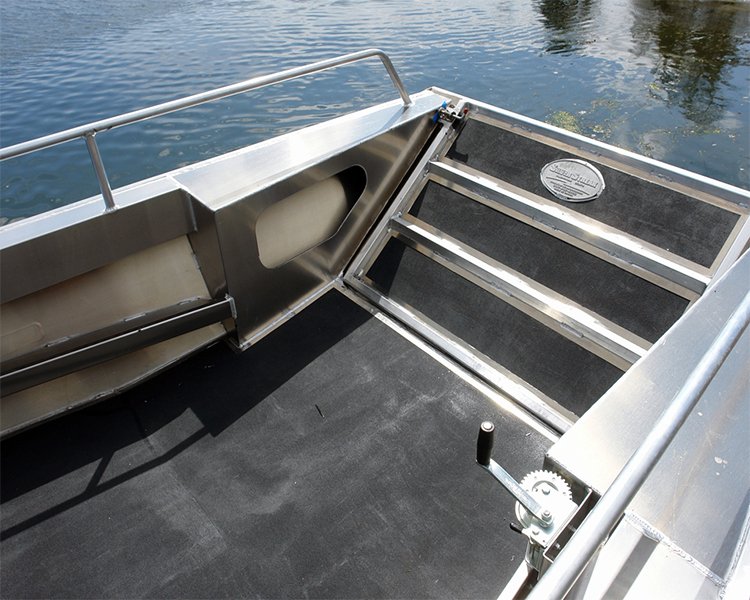
Aluminum boats resist rust and last a long time. They’re great for saltwater and humid places. Unlike other materials, aluminum doesn’t crack, blister, or wear out quickly.
This rust resistance helps the boat stay strong for years. With basic care, like rinsing and polishing, aluminum boats stay in top shape. This means more time enjoying the water and less time fixing problems.
Tip: Pick boats made with high-quality aluminum alloys. They fight rust better and make your boat last longer.
Low maintenance requirements
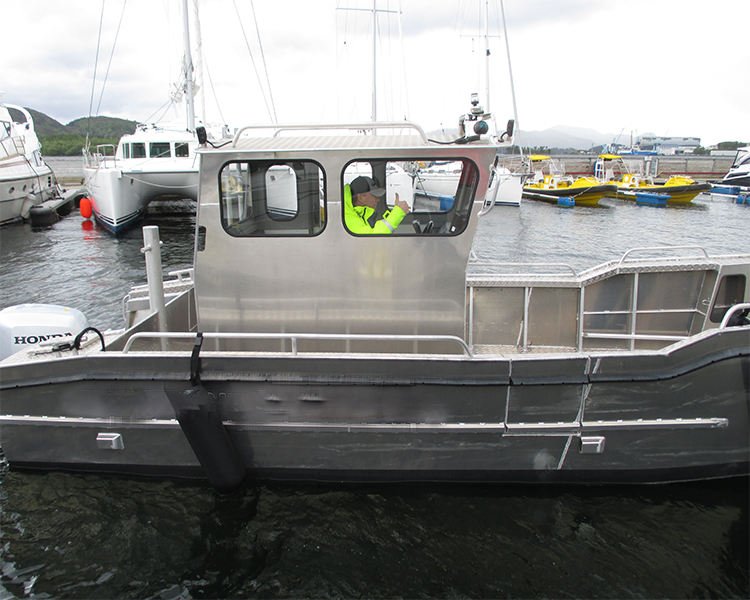
One great thing about heavy duty aluminum boats is they’re easy to care for. You don’t need to spend much time cleaning or fixing them. Aluminum naturally fights rust and damage, so you can enjoy boating more.
Here’s why they’re simple to maintain:
-
No constant repairs needed: Aluminum doesn’t crack or blister like fiberglass. You won’t have to fix gelcoat or spend money on repairs.
-
Easy to clean: Rinse the boat with fresh water after each trip. A quick polish can keep it shiny if you want it to look new.
-
Handles wear and tear well: These boats can take bumps and scrapes without needing quick fixes.
For beginners, this low-maintenance feature is a big help. You’ll spend less time fixing and more time learning how to boat.
Tip: Always rinse your boat after using it in saltwater. This stops salt from building up and keeps your boat in good shape.
Cost-effectiveness compared to other materials
Heavy duty aluminum boats are a smart buy for saving money. They give you good performance without costing too much. Compared to fiberglass or wood, aluminum boats are cheaper to buy and own.
Here’s how they save money:
-
Cheaper upfront cost: Aluminum boats cost less than fiberglass ones of the same size.
-
Lower fuel use: Their light weight means you’ll spend less on fuel.
-
Fewer repair costs: They don’t need expensive coatings or frequent fixes, saving you money.
These boats last a long time, giving you great value for your money. Whether you’re buying your first boat or upgrading, aluminum is a smart choice.
Did you know? Aluminum boats often sell for more than fiberglass ones when used. Their long life and low upkeep make them popular in the resale market.
Heavy gauge all-welded aluminum construction
The strength of heavy duty aluminum boats comes from their all-welded design. This makes them tough and ready for rough conditions.
Here’s why this design is special:
-
Strong seams: Welded seams make the boat solid and leak-proof. Unlike riveted boats, there’s no risk of leaks.
-
Thicker aluminum: Heavy gauge aluminum makes the boat stronger and able to handle impacts.
-
Better safety: The welded design keeps the boat sturdy, even in tough situations.
This design also keeps the boat lightweight, making it easy to tow and steer. Whether you’re on rocky rivers or open water, these boats are reliable and perform well.
Pro Tip: When buying a boat, ask about the aluminum thickness. Thicker aluminum means it will last longer and stay stronger.
Types of Heavy-Duty Aluminum Boats
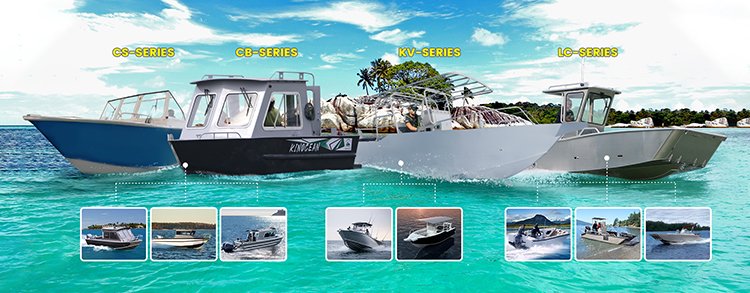
There are many types of heavy-duty aluminum boats. Each one is made for specific uses and water types. Let’s explore three popular kinds to help you pick the right one.
Center console boats
Center console boats are great for people who love fishing. They have an open deck with a steering area in the middle. This design lets you fish from any side of the boat.
These boats often come with rod holders, live wells, and storage spaces. They work well in both freshwater and saltwater, making them very useful. Whether on calm lakes or rough coastal waters, they perform reliably.
Fun Fact: Boats with engines under 200 HP, like many center console models, are the most popular and are growing quickly in sales.
Cuddy cabin boats
Cuddy cabin boats mix comfort with usefulness. They have a small cabin at the front for storage and shelter. These boats are great for families or longer trips on the water.
You can use cuddy cabin boats for fishing, cruising, or even overnight stays. Their strong aluminum build makes them tough in rough waters. The cabin also gives you a cozy place to rest or hide from the sun.
Jon boats
Jon boats are simple and practical. They have flat bottoms, are lightweight, and are easy to use. These boats are perfect for shallow waters, fishing, hunting, or exploring rivers and lakes.
One big advantage of jon boats is their low cost. If you’re looking for affordable fishing boats, jon boats are a great choice. Even though they’re simple, they’re built to handle bumps and scrapes.
Pro Tip: Jon boats in the 14-16 feet range are the most popular and bring in the highest revenue in the market.
|
Boat Type |
Growth Forecast |
|
|---|---|---|
|
Deep-V Boats |
Highest |
Fastest Growth |
|
Jon-Boats |
N/A |
N/A |
|
Mod-V Boats |
N/A |
N/A |
|
Bass Boats |
N/A |
N/A |
|
Multi-Species |
N/A |
N/A |
|
<14 Feet |
N/A |
N/A |
|
14-16 Feet |
Highest Revenue |
Fastest Growth |
|
>16 Feet |
N/A |
N/A |
|
<200 HP |
Highest Market Share |
Fastest Growth |
|
200-300 HP |
N/A |
N/A |
|
>300 HP |
N/A |
N/A |
No matter which type you pick, heavy-duty aluminum boats are strong and versatile. They’re ready for any adventure you plan.
Pontoon boats
If you want a boat for fun and relaxing, pontoon boats are a great pick. These boats float on two or more aluminum tubes called pontoons. The pontoons make them steady and help them stay afloat. They’re best for calm waters like lakes and rivers. Families love them for outings, parties, or just enjoying the sunshine.
Why do people like pontoon boats so much? Here’s why:
-
Big decks: There’s lots of space for seats, coolers, and even a grill.
-
Cozy seats: Most have soft, comfy seats for long rides.
-
Multi-use: You can fish, cruise, or have small parties on them.
Pontoon boats are easy for beginners to use. Their wide shape keeps them steady, so you won’t feel shaky when walking around. They’re also simple to steer, even if it’s your first time boating.
Tip: Want to fish on a pontoon boat? Pick one with rod holders and live wells.
Aluminum fishing boats
Aluminum fishing boats are loved by anglers for many reasons. They’re light, strong, and work well in different water conditions. Whether you’re fishing in a quiet lake or a fast river, these boats perform great.
Here’s why aluminum fishing boats are special:
-
Strong build: They can hit rocks or logs without breaking.
-
Easy to move: Their light weight makes towing and launching simple.
-
Custom options: You can add things like trolling motors or fish finders.
These boats are also budget-friendly. They cost less than fiberglass boats and need less care. This means more time fishing and less time fixing problems.
Fun Fact: Beginners often choose aluminum fishing boats because they’re easy to use and dependable.
Utility boats for multipurpose use
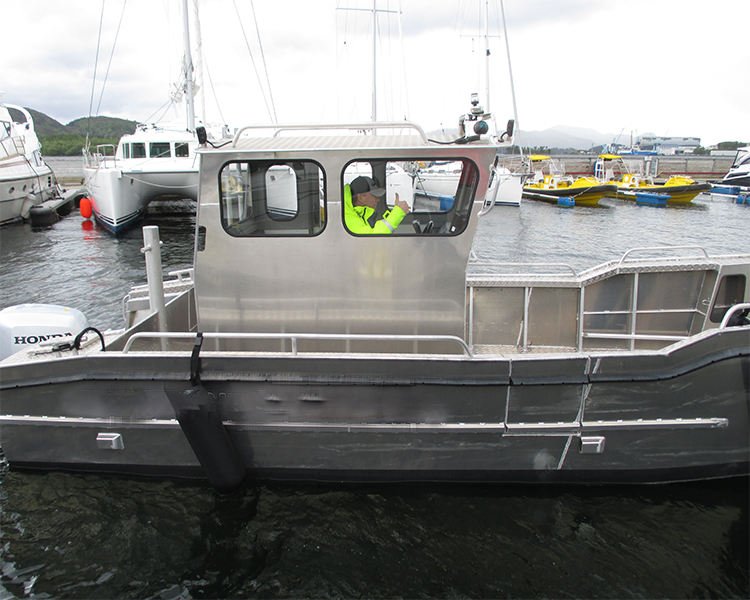
Utility boats are the all-around helpers of the boating world. They’re great for fishing, hunting, carrying gear, or exploring new places.
What makes utility boats so useful?
-
Simple to use: They’re easy to drive and care for, even for newbies.
-
Tough design: Made with strong aluminum, they handle rough waters well.
-
Affordable price: They’re cheap, which is perfect for first-time buyers.
You’ll often see utility boats in shallow waters or places with obstacles. Their sturdy aluminum build lets them take hits without damage.
Pro Tip: Need a boat that does everything? A utility boat is a smart choice.
How to Pick the Best Boat for You
Choosing a heavy-duty aluminum boat doesn’t have to be hard. Focus on a few important things, and you’ll find the right one. Let’s go through it step by step.
Think about the water type (lakes, rivers, ocean)
The water you’ll use your boat on matters a lot. Will you be on calm lakes, flowing rivers, or the open ocean? Each type of water needs a boat that can handle its challenges.
For calm lakes, lightweight boats like jon boats or pontoon boats are great. They’re steady and easy to steer. Rivers often have rocks or logs, so pick a boat with a strong, welded aluminum hull. For ocean trips, choose a boat made for rough waters, like a center console or cuddy cabin boat. These boats stay stable and tough in waves.
Tip: Aluminum boats work well in many water types. This makes them a great choice for both new and experienced boaters.
Decide what you’ll do (fishing, cruising, water sports)
What will you use your boat for? This is a key question. Heavy-duty aluminum boats are flexible, but some are better for certain activities.
If fishing is your main plan, try aluminum fishing boats or center console boats. They have features like rod holders, live wells, and storage for gear. Fishing is becoming more popular, and these boats are perfect for both fun and competitions.
For family trips or relaxing rides, pontoon boats are a top pick. They’re roomy, comfy, and great for small gatherings. They can also handle fishing or water sports if needed. If you love tubing or wakeboarding, get a boat with enough power and balance for those activities.
Check your budget and payment options
Your budget will decide which boat you can buy. Don’t worry—there are boats for every price range. Heavy-duty aluminum boats are affordable and give you great value.
Start by setting a clear spending limit. Think about the price, fuel, upkeep, and storage costs. If you need a loan, compare deals to find the best one. Many sellers offer payment plans to make buying easier.
Pro Tip: Remember resale value. Aluminum boats keep their value because they’re durable and need little upkeep. This makes them a smart buy for beginners.
Think about size, width, and how many people it holds
When picking a heavy-duty aluminum boat, size, width, and passenger limit are important. These decide how comfy and safe your trips will be.
-
Size: A boat’s length affects how steady and useful it is. Smaller boats are easy to steer and great for one person or small groups. Bigger boats have more room for people and gear, making them good for families or group trips.
-
Width: The width, called the beam, helps with balance. Wider boats are steadier in rough water. Narrower boats are faster and fit through tight spots.
-
Passenger Limit: Always check how many people the boat can hold safely. Too many people can make the boat unsafe and harder to control.
Here’s a quick look at some models:
|
Boat Model |
Length |
Beam |
Max Persons |
Max Capacity |
|---|---|---|---|---|
|
Utility Boat Alaskan 13 DLX |
3.94 m |
66 in |
3 |
700 lbs |
|
Ungava® 12 2025 |
3.7 m |
1.5 m |
3 |
699 lbs |
|
ALPHA 208 |
N/A |
N/A |
4 |
N/A |
Tip: Pick a boat that fits your needs. If you’ll bring lots of gear or people, choose a bigger boat with a higher weight limit.
Look for extra features like storage and seating
The right features make boating easier and more fun. Storage, seats, and accessories are small details that matter a lot.
-
Storage: Boats with built-in storage keep your stuff neat and out of the way. For example, the Crossover XS has space for rods, skis, and tubes. This is great for families who do many activities on the water.
-
Seating: Comfy seats are important, especially for long rides. Some boats, like the Lund Impact XS, have extra seats and even a ski pylon for more options.
-
Accessories: Choose boats with tools for your hobbies. Fishing boats might have rod holders or live wells. Boats for water sports may have tow hooks or stronger engines.
Why these features matter:
-
Bigger Jon boats are popular on large lakes and rivers. They often have more storage and seats for different needs.
-
Small boats with smart features are great for smaller lakes. They’re easy to handle but still very useful.
Pro Tip: Think about what you’ll do most with your boat. Pick features that make your trips better and easier.
Check the hull’s thickness and shape
The hull is the most important part of your boat. Its thickness and shape affect how it moves and handles. A strong hull helps the boat perform well, even in tough waters.
-
Thickness: Stronger boats use thicker aluminum. For example:
Hull Type
Thickness (inches)
Typical Multi-Species Aluminum Boat
0.100 - 0.125
Heavy Gauge Aluminum Boat
0.160
Thicker hulls last longer and handle bumps better.
-
Shape: Special hull shapes, like quad-stepped designs, make boats faster and easier to steer. These designs cut down drag, saving fuel and boosting speed. They also make the boat tougher for rough waters.
Why this matters:
-
Quad-stepped hulls make steering simple and improve speed.
-
Boats with 5083 aluminum hulls are built for hard conditions and last longer.
Tip: Ask about the hull’s material and design when buying. A strong, well-made hull gives you a smoother and safer ride.
Pick strong aluminum alloys for lasting boats
The type of aluminum alloy in your boat matters a lot. Not all aluminum is the same. Choosing the right alloy keeps your boat strong, long-lasting, and ready for tough waters. But why are high-quality aluminum alloys so important? Let’s find out.
Aluminum is great for boats because it fights rust well. This is super helpful if you use your boat in salty or wet places. Unlike other metals, aluminum doesn’t rust, crack, or weaken easily. This means your boat stays strong even after years in water.
Did you know? Aluminum is both light and strong. This makes it perfect for boats. It can handle bumps but is still easy to tow and steer.
Now, let’s look at the types of aluminum alloys used in boats. Boat makers pick alloys made for marine use. These alloys are tough and flexible, so they can be shaped into different parts like sheets or frames.
|
Alloy Type |
Common Alloys |
Use |
|---|---|---|
|
Aluminum-magnesium alloys |
5083, 5383 |
Hulls and structural parts |
|
Aluminum-magnesium-silicon alloys |
6082, 6061, 6005A, 6060 |
Frames and supports |
Aluminum-magnesium alloys, like 5083 and 5383, are used for hulls. They’re strong and resist rust well. Aluminum-magnesium-silicon alloys, like 6061 and 6082, are used for frames and supports.
Why are these alloys so good?
-
They fight saltwater rust better than most materials.
-
They’re easy to shape and work with.
-
They come in many forms, like sheets and plates.
-
They’re light but very strong, keeping your boat durable without extra weight.
When buying a heavy-duty aluminum boat, ask about the alloy type. Alloys like 5083 or 6061 make boats stronger and last longer.
Pro Tip: Boats made with 5083 aluminum are perfect for rough waters. This alloy is tough and resists rust, making it great for hard conditions.
Choosing a boat with high-quality aluminum alloys means it will last longer. Whether you’re on rocky rivers or open seas, these alloys keep your boat strong and reliable.
Tips for Beginners
Basic maintenance practices for heavy-duty aluminum boats
Caring for your aluminum boat is easy with simple steps. Regular upkeep keeps it looking good and working well. Follow these tips:
-
Look for leaks or loose rivets. Use marine sealant to fix them.
-
Rinse your boat after every trip to remove salt and dirt. Experts say this helps prevent rust.
-
Wash the boat with gentle soap and a soft scrubber. This cleans without scratching.
-
Dry the boat fully to avoid water spots or buildup.
-
Add a protective coating sometimes to stop oxidation.
Tip: Rinse your boat with fresh water after saltwater trips. This small step can save you money on repairs later.
Safety tips for first-time boaters
Staying safe on the water is very important. If you’re new to boating, follow these tips to enjoy your time:
-
Wear a life jacket: Everyone on board should have one that fits well.
-
Learn navigation rules: Know right-of-way rules and what buoys mean.
-
Check the weather: Avoid boating in storms. Calm days are best for beginners.
-
Bring safety gear: Pack items like a whistle, flashlight, and first-aid kit.
-
Don’t overload: Follow the boat’s passenger and weight limits.
Pro Tip: Take a boating safety class. It’s a fast way to learn and feel confident.
Customization options to enhance your experience
Making your boat unique is fun and useful. Customizing improves how it looks, feels, and works. Here are popular ideas:
|
Customization Trend |
Benefits |
Target Audience |
|---|---|---|
|
Personalized Designs |
Makes your boat special and meaningful |
All Boaters |
|
Advanced Navigation Systems |
Boosts safety and performance |
All Boat Owners |
|
Eco-Friendly Propulsion Options |
Saves fuel and helps the environment |
Green-Minded Boaters |
|
Adaptable Interior Spaces |
Offers flexible layouts for comfort |
Luxury Buyers |
|
Modular Designs |
Lets you change the boat’s setup easily |
High-End Users |
You can add things like rod holders, live wells, or better seats for hobbies. Many people pick colors and materials that match their style. Customizing makes boating more fun and personal.
Fun Fact: Modular designs let you adjust your boat’s layout anytime. It’s like owning several boats in one!
Importance of learning local boating regulations
Before you hit the water, it’s crucial to know the local boating rules. These regulations keep you and others safe while protecting the environment. Every area has its own set of rules, so taking the time to learn them can save you from fines or accidents.
Here’s why these rules matter:
-
Safety first: Boating regulations often include speed limits, no-wake zones, and right-of-way rules. Following them helps prevent collisions and keeps everyone safe.
-
Environmental protection: Some areas restrict boating near wildlife habitats or fragile ecosystems. Knowing these rules helps you avoid harming the environment.
-
Legal compliance: Operating a boat without understanding local laws can lead to hefty fines or even the suspension of your boating privileges.
Tip: Check with your local marine authority or coast guard for a guide to the rules in your area. Many places offer free resources or online courses to help you get started.
Learning these regulations doesn’t just make you a responsible boater—it also makes your time on the water more enjoyable. You’ll feel confident knowing you’re doing things the right way.
How to trailer and launch aluminum boats effectively
Trailering and launching your aluminum boat might seem tricky at first, but it’s easier than you think with the right approach. A little preparation goes a long way in making the process smooth and stress-free.
Here are some tips to help you out:
-
Use transom straps to secure your boat. These straps keep the boat from shifting during transport.
-
Upgrade your safety chains. Make sure they’re the correct size and not dragging on the road.
-
Always carry a spare tire for your trailer. This ensures you won’t get stranded if you have a flat.
-
Pack a tool kit for quick fixes. Include items like wrenches, pliers, and a tire jack.
When it’s time to launch, follow these steps:
-
Back your trailer down the ramp until the boat is partially in the water.
-
Unhook the winch strap and safety chain.
-
Gently push the boat off the trailer while keeping a line attached to guide it.
Pro Tip: Practice launching your boat in a quiet area before heading to a busy ramp. This helps you build confidence and avoid delays.
With these tips, you’ll feel like a pro in no time. Trailering and launching your aluminum boat will become second nature, letting you focus on enjoying your time on the water.
Heavy-duty aluminum boats are strong, easy to handle, and simple to care for. They are made to last and work well in various water settings. Picking the best boat depends on your plans, budget, and where you’ll use it.
Tip: Decide how you’ll use your boat—fishing, relaxing, or family trips. Choosing a boat that fits your needs makes boating more enjoyable.
Explore your choices now! Whether you’re new or upgrading, these boats are a great pick. Begin your boating adventure today and have fun!


