10 Expert Tips for Choosing the Perfect Custom Pontoon Boat
2025-05-23
10 Expert Tips for Choosing the Perfect Custom Pontoon Boat
Choosing custom pontoon boats can feel overwhelming, but it doesn’t have to be.
Whether you’re dreaming of lazy afternoons on the water or thrilling adventures, the right boat makes all the difference. Think about how you’ll use it and what features matter most to you. With so many options out there, finding one that matches your lifestyle is easier than you think. Ready to dive in? Let’s explore how to make the perfect choice for your boating needs.
Key Takeaways
-
Think about your boating plans. Do you want to relax, fish, or do watersports? Pick features that match your needs.
-
Look at the boat's size. Small boats are simple to use. Big boats have more room for fun and comfort.
-
Pick strong materials. Aluminum is light and easy to care for. Fiberglass looks nice and stylish.
-
Match the engine to your activities. For fishing, 50-75 horsepower works well. For watersports, go for at least 150 horsepower.
-
Plan where to store and dock your boat. Make sure you have a safe and easy spot to keep it when not using it.
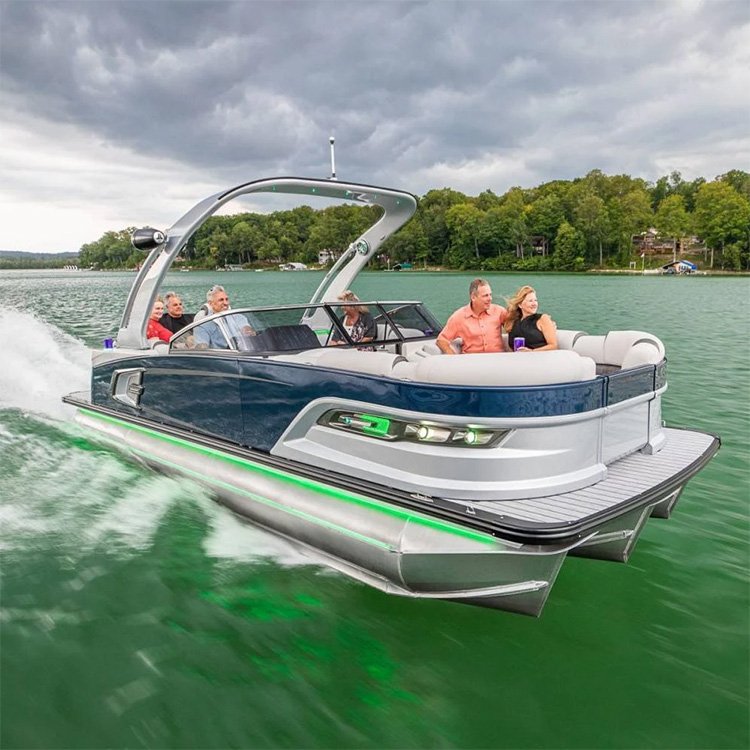
Know Why You Want a Custom Pontoon Boat
Fun and Relaxation
Do you want to relax with family and friends? Pontoon boats are great for making special memories. They have big decks for comfy seats, tables, or even a small grill. Picture having a picnic or watching the sunset on the water. These boats are also perfect for birdwatching or sunbathing. If relaxing is your goal, look for soft seats, shade covers, and easy water access.
Fishing Adventures
Love fishing? A custom pontoon boat can be your best buddy. There's lots of space for fishing gear, coolers, and live wells to keep fish fresh. Add fishing rod holders, fish finders, and trolling motors to make fishing easier. Pontoon boats are steady, so casting lines is simple on lakes or rivers. If fishing is your thing, pick features that make it fun and easy.
Watersports and Speed
If you love action and speed, choose a boat for watersports. Whether tubing, wakeboarding, or skiing, speed matters. New pontoon boats can have special hulls and strong engines for better performance. Here's how design helps:
|
Design Feature |
How It Helps |
|---|---|
|
Makes the boat faster and saves fuel |
|
|
Strong Hull Structures |
Keeps the boat steady and floating well |
|
Better Performance |
Improves speed and control |
|
Aluminum Build |
Lasts longer and needs less care |
When picking a boat for watersports, check the engine power and design. A good pontoon boat can give you both fun and safety.
Determine the Ideal Size
Small vs. Large Custom Pontoon Boats
The size of your pontoon boat depends on your plans. Smaller boats are great for quiet trips or narrow waterways. They’re simple to steer and need less storage space. If you’re new to boating or enjoy calm lakes, a small boat works well.
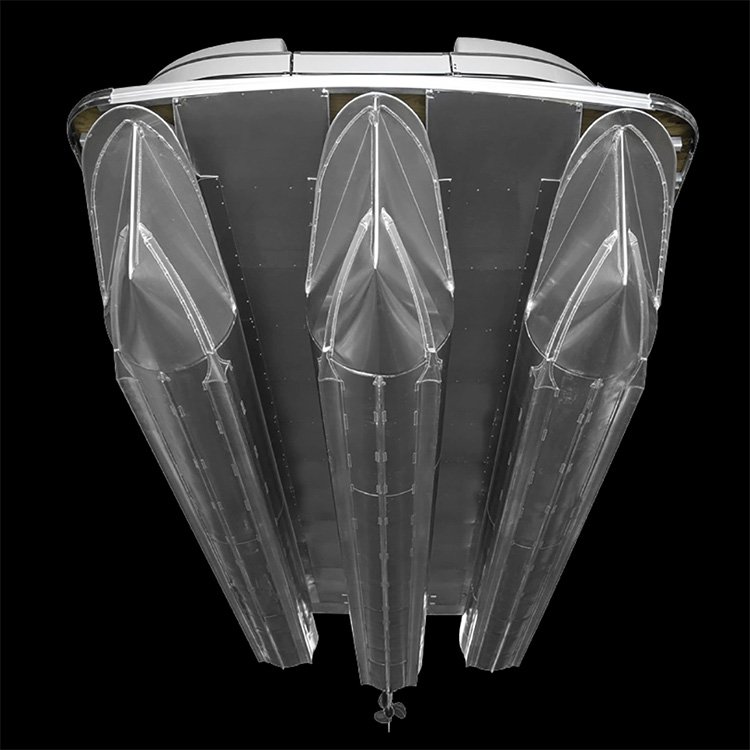
Larger pontoon boats give more room and options. They’re perfect for bigger groups or adding extras like a grill. Tri-toons, with three tubes, make large boats even better. They improve speed, balance, and handling, like V-hull boats. Tri-toons spread weight evenly and stay steady in rough waters. Some can go up to 60 mph, great for adventure lovers.
Tip: For watersports or rough waters, consider a larger tri-toon.
Passenger Capacity and Deck Space
Think about how many people will join you. Small pontoon boats fit 4-6 passengers, ideal for family trips or fishing. Bigger boats can hold 10 or more people, perfect for parties or group fun.
Deck space is important for comfort. A big deck lets you add chairs, tables, or even a mini kitchen. It’s not just about fitting people—it’s about making everyone feel relaxed.
Note: Always check the boat’s weight limit. Too much weight can lower safety and performance.
Pick the Right Materials
Aluminum vs. Fiberglass Build
When picking materials for your custom pontoon boat, you’ll see two main choices: aluminum and fiberglass. Each has good points, so knowing the differences helps you decide.
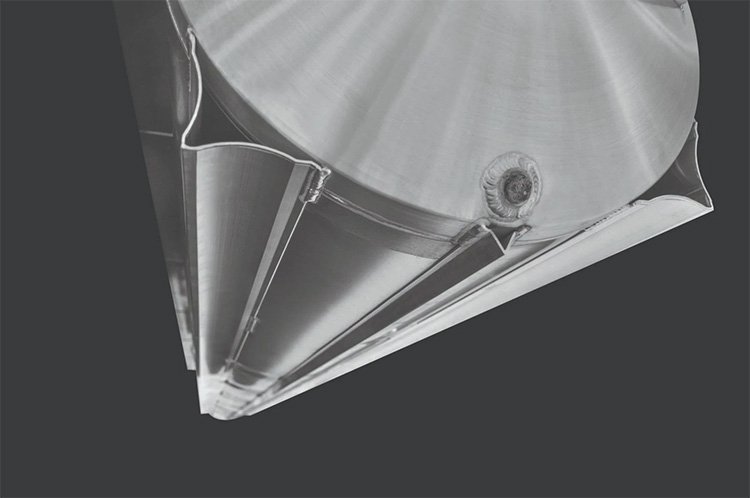
Aluminum is strong and lightweight. It works well in both freshwater and saltwater. Here’s why:
-
Lasts Long: Good aluminum, like 5083, can last for years.
-
Light & Fast: Aluminum is lighter than fiberglass, so it’s faster and uses less fuel.
-
Tough: It handles small bumps or debris without big damage.
Fiberglass looks stylish and is very strong. It’s great for boats needing curved or special designs. Fiberglass uses layers to stay strong but not too heavy. This makes it a good pick if you want something durable and easy to care for.
Tip: Want low care and tough material? Pick aluminum. Want a sleek, strong look? Go with fiberglass.
Best Flooring for Easy Care
The flooring you pick changes how easy your boat is to clean. Vinyl flooring is a top choice for custom pontoon boats. It’s strong, simple to clean, and doesn’t get water damage. It may cost $300-$1200 more, but it’s worth it.
Here’s why vinyl is popular:
-
It avoids underdeck rot better than carpet.
-
Cleaning is super easy, great for fishing or family fun.
-
At about $3 per square foot, it’s affordable and reduces noise.
Carpet feels soft but needs more care. It holds water, which can cause mold or rot. If you want flooring that lasts and saves cleaning time, vinyl is the best choice.
Note: Think about how you’ll use your boat. For fishing or watersports, vinyl’s strength and easy cleaning make it a smart pick.
Assess Engine and Performance Needs
Outboard vs. Inboard Engines
Picking the right engine is an important choice for your pontoon boat. Outboard and inboard engines have different benefits, so choose what works best for you.
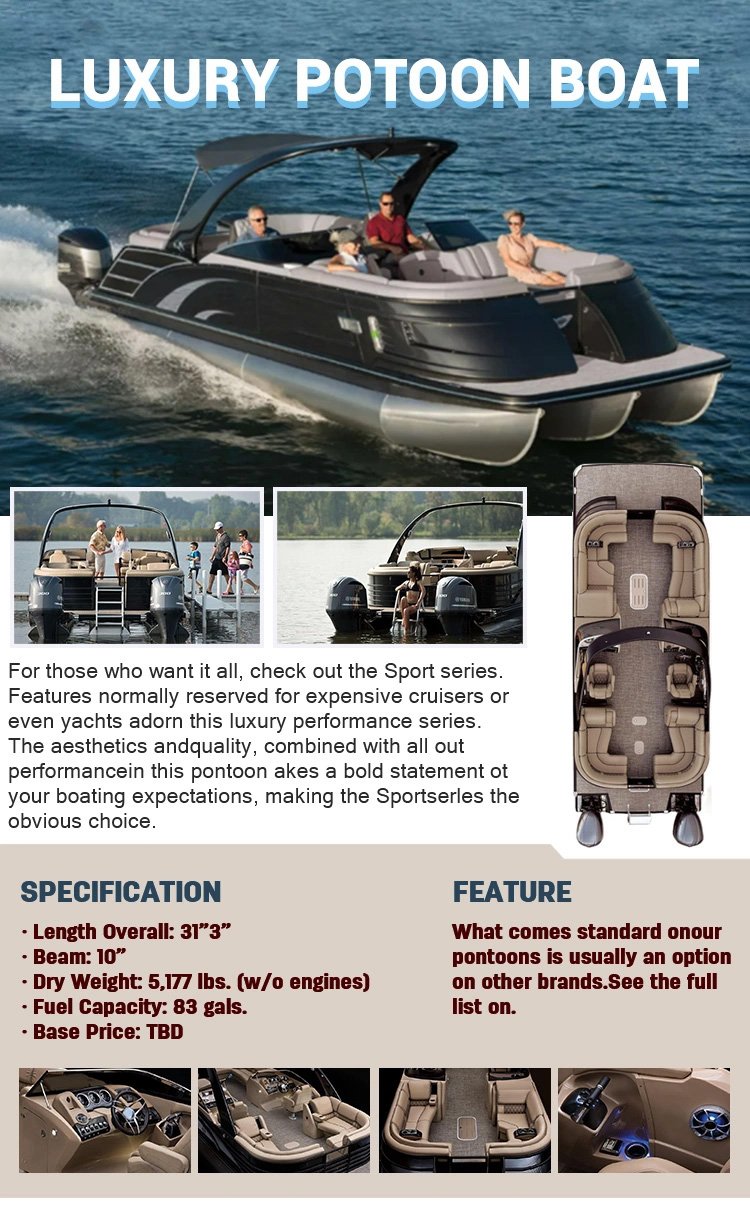
Outboard engines are popular because they’re easy to care for. They attach to the back of the boat, leaving more space on the deck. These engines cost less and can last over 3,000 hours with good care. They’re simple to fix and prepare for winter. Outboards can reach speeds up to 50 mph, making them great for watersports or quick trips.
Inboard engines are built inside the boat. They use fuel more efficiently and can last over 6,000 hours with proper maintenance. Their weight is centered, which helps keep the boat steady for fishing or drifting. Anglers like how easy it is to handle fish near the back of the boat with inboards. However, they cost more and need more complicated repairs.
|
Engine Type |
Benefits |
Downsides |
|---|---|---|
|
Outboard |
Cheaper, faster, easier care |
Less fuel-efficient |
|
Inboard |
Saves fuel, lasts longer |
Costs more, harder to fix |
Tip: Want speed and simple care? Pick an outboard. Need stability and long-term use? Go with an inboard.
Horsepower Based on Activities
The engine’s horsepower affects how your pontoon boat performs. Think about what you’ll do with your boat.
For relaxing rides or fishing, you don’t need much power. A 50-75 horsepower engine gives smooth rides and saves fuel. For watersports like tubing or wakeboarding, you’ll need more power. Choose engines with at least 150 horsepower for speed and quick starts.
Torque is also important. It helps your boat speed up quickly, especially with heavy loads. Mid-range torque gets your boat moving fast, going from 0 to 30 mph quickly. This is helpful for bigger boats or those carrying lots of gear.
Note: Match the engine’s power to your activities. Too little horsepower makes things hard, while too much wastes fuel and money.
Plan for Storage and Berthing
Docking and Marina Space
Picking the right spot for your custom pontoon boat is important. You need a safe, easy-to-reach, and affordable place. Many marinas have extras like secure docks, electricity, and water access. These features make boating more enjoyable.
Safety should be your top priority. Look for docks made with strong, weatherproof materials. Non-slip surfaces and good dock designs help you park your boat easily and safely.
|
Key Aspect |
Description |
|---|---|
|
Safety Measures |
Good dock safety features keep you and your boat secure. |
|
Material Selection |
Strong, weatherproof materials make docks last longer. |
|
Layout Considerations |
A smart layout makes docking and storage simple and safe. |
Don’t forget to budget for docking. Docking and storage usually cost about 20% of your yearly boating expenses. For example, if you spend $3,000 a year, around $600 might go to docking.
Pontoon boat registrations are rising—up 8% in 2023—so marina spaces are filling up fast. Book early to avoid last-minute problems.
Trailer and Transport Considerations
If you want to store your boat at home or take it to different places, you’ll need a good trailer. Trailers save money on marina fees and give you more freedom. Make sure your vehicle can tow your boat safely.
Choose a trailer that fits your boat’s size and weight. Tandem-axle trailers are better for bigger boats because they’re more stable. Single-axle trailers are lighter and easier to move, making them great for smaller boats.
Think about where you’ll store your boat at home. Do you have enough space in your driveway or garage? If not, renting a secure storage spot is a good idea. It protects your boat from bad weather and theft.
Tip: Check local rules about trailer parking and boat transport. Some areas have limits you’ll need to follow.
Planning storage and transport keeps your boat safe and ready for fun trips.
Think About Where You’ll Use Your Boat
Freshwater or Saltwater?
Where you plan to boat matters a lot. Freshwater and saltwater affect boats differently, so choose materials that fit the environment.
Saltwater is tougher on boats because it causes rust and damage. To protect your boat in saltwater, look for:
-
Sacrificial anodes made of zinc to stop corrosion.
-
Stainless steel bolts and latches that don’t rust easily.
-
Corrosion-resistant coatings to make your boat last longer.
Today’s pontoon boats work well in both freshwater and saltwater. Older boats were made for one type of water, but modern ones handle both. If you’re boating in saltwater, rinse your boat with fresh water after each trip. This helps prevent damage from salt buildup.
Tip: Boating in saltwater? Ask about upgrades to fight corrosion.
Weather and Climate
Your local weather affects the kind of boat you need. Boats for tough weather use strong materials to stay in good shape. For example, some boats use polyethylene with UV protection. These materials handle extreme temperatures, from freezing cold to very hot, without breaking.
This is important if you live where winters are icy or summers are very sunny. Boats made with HDPE materials resist cracking and saltwater damage better than older materials like wood.
If your area has unpredictable weather, think about adding features like stronger canopies or windproof designs. These extras keep your boat safe and comfy in any weather.
Note: Check how your boat’s materials handle your local climate. It can save you money on repairs later.
Customize Features for Comfort and Convenience
Seating Arrangements and Accessibility
Comfortable seats make boating more enjoyable. Custom pontoon boats let you pick seats that fit your needs. Options include soft cushions, adjustable seats, and designs that reduce tiredness on long trips. Modern cushions support your back, helping you stay comfy while boating.
Accessibility matters too. Boats with open layouts are easier to move around. Storage under the seats keeps your gear neat and out of sight. These features make your boat both cozy and practical.
|
Aspect |
How It Helps |
|---|---|
|
Customization |
Pick fabrics, colors, and extras to match your style. |
|
Ergonomic Design |
Seats designed for comfort, reducing aches and tiredness. |
|
Passenger Comfort |
Adjustable seats and back support keep everyone feeling good. |
Tip: For long trips, choose comfy seats and smart storage to stay relaxed.
Entertainment Systems and Add-Ons
Entertainment features make boating more fun. Whether hosting a party or relaxing, modern systems improve every moment. Great audio systems play clear music, perfect for your favorite songs. LED lights add excitement to evening rides.
Want extra features? Add outdoor kitchens or double-decker designs for more space. Families love double-decker boats for activities and relaxation. Fancy materials for custom seats make your boat feel luxurious, like a floating getaway.
Popular upgrades include:
-
LED Party Lights: Brighten up nighttime rides.
-
High-End Audio Systems: Enjoy music with amazing sound quality.
-
Outdoor Kitchenettes: Cook meals while enjoying the water.
Note: Adding entertainment features makes every boat trip unforgettable.
Focus on Safety Features
Essential Safety Gear and Storage
Safety gear is not optional—it’s required for every pontoon boat. Be ready for emergencies, whether fishing, cruising, or partying. The US Coast Guard has rules about safety equipment based on boat size and engine type. Most pontoon boats are 16 to 26 feet long. This means you’ll need life jackets, flotation devices, and fire safety tools.
Here’s a simple list of must-have safety gear:
|
Safety Gear |
Why It’s Needed |
|---|---|
|
Flotation devices |
Required by US Coast Guard |
|
Fire safety equipment |
Required by US Coast Guard |
|
Life jacket storage |
Meets new safety standards |
|
Fire suppression systems |
Meets new safety standards |
Your boat should have a spot to store life jackets and gear. Built-in storage keeps things neat and easy to grab. Adding anti-slip tape to the deck makes walking safer, especially when it’s wet.
Tip: Check local boating rules to ensure your safety gear is up to code.
Navigation and Lighting Systems
Good navigation and lights make boating safer, especially at night or in fog. Bright LED lights help you see clearly after dark. Color-coded lights show navigation signals, making them easy to understand.
Here’s how better lighting improves safety:
|
Feature |
How It Helps |
Why It’s Safer |
|---|---|---|
|
Bright LED lights |
Helps you see better at night |
Makes nighttime boating easier |
|
Color-coded lights |
Shows clear navigation signals |
Reduces confusion |
|
Dimmable lights |
Lets you adjust brightness |
Works well in different conditions |
|
Underwater LED strips |
Lights up water around the boat |
Helps avoid obstacles in shallow areas |
Underwater LED lights are great for night fishing or shallow waters. They light up the area, making it easier to see hazards. Look for IP68-rated lights—they last longer and work well in water.
Note: Dimmable lights let you control brightness, keeping your boat safe and stylish in any setting.
Set a Realistic Budget for Custom Pontoon Boats
Balancing Costs and Long-Term Benefits
Making a budget for your pontoon boat isn’t just about price. Think about how much value it will give you over time. Smaller boats can cost around $10,000, while bigger ones with more features might go over $100,000. Match your budget to what you need. Do you want a simple boat for family fun or a fast one for watersports?
Money trends also matter. Changes in spending habits affect boat prices. Here’s a quick look at important financial factors:
|
Trend |
What It Means |
|---|---|
|
Economic Changes |
Events can raise or lower boat costs. |
|
Buyer Choices |
What people want affects the types of boats sold. |
|
Market Crowding |
Knowing the market helps you plan for fair pricing. |
|
Resale Value |
Picking a boat with good resale value saves money later. |
|
Affordable Options |
Cheaper boats attract buyers who want to save money. |
Think about resale value when budgeting. A well-kept pontoon boat can keep its worth, making it a smart buy.
Planning for Repairs and Extras
Your budget should include more than just buying the boat. Repairs and upgrades are part of owning a pontoon boat. Regular care, like cleaning and engine checks, keeps your boat working well. These costs can add up, so plan ahead.
Extras like LED lights, comfy seats, or fancy sound systems make boating better. But they also cost money. During busy boating seasons, prices for services can go up by 50%-70%.
Here are some tips to manage these costs:
-
Save money for yearly repairs to avoid surprises.
-
Choose upgrades that improve your boating experience the most.
-
Include fuel and storage costs in your budget.
By planning for these expenses, you can enjoy your boat without worrying about money.
Choose a Reputable Dealer
Researching Dealer Reviews and Reputation
Picking the right dealer is as important as choosing your custom pontoon boat. A trusted dealer gives you a good boat and smooth buying process. Start by reading online reviews. About 87% of buyers check reviews before big purchases like boats. Positive reviews often mean great service, fair prices, and reliable products.
|
Statistic |
What It Shows |
|---|---|
|
87% |
Buyers who read reviews before choosing local businesses. |
Focus on dealers with many good reviews. Look for comments about honesty, knowledge, and helpfulness. If customers are happy, it’s likely the dealer will treat you well too.
Tip: Don’t just look at stars. Read reviews to see why people like the dealer.
Importance of Warranties and After-Sales Support
A good dealer helps even after you buy your boat. Strong warranties and support show they trust their products. Some dealers offer long warranties, like 25 years for hulls, giving you peace of mind.
|
Evidence Type |
Why It Matters |
|---|---|
|
Warranty |
A 25-year hull warranty shows confidence in durability. |
|
Maintenance Costs |
Aluminum hulls cost less to maintain than fiberglass ones. |
|
Fuel Efficiency |
Better hull designs save fuel over time. |
After-sales support includes repairs, upgrades, and regular care. Dealers who offer these services help keep your boat in great shape. This saves money and keeps your boat running well for years.
Note: Ask about warranties and maintenance plans before buying. Good support makes a dealer worth choosing.
Picking the best custom pontoon boat can be simple. Follow these 10 tips to find one that suits you. Here’s a quick summary of the advantages:
|
Tip |
Benefit |
|---|---|
|
Pick Wet or Dry Storage |
Keeps the boat in good shape and fits your needs. |
|
Select the Right Boat Size |
Makes it stable and easier to use and maintain. |
|
Match Design to Local Conditions |
Helps the boat handle weather safely and work better. |
|
Choose Aluminum Instead of Wood |
Cuts down on upkeep and avoids problems like rotting. |
Take your time, do your homework, and choose a reliable dealer. These steps will help you enjoy boating, whether relaxing, fishing, or seeking thrills.
FAQ
What’s the difference between pontoon and tri-toon boats?
Pontoon boats have two tubes. Tri-toons have three tubes. Tri-toons are steadier and faster in rough waters. They’re great for watersports or carrying more people.
How much horsepower is needed for watersports?
For tubing or skiing, pick at least 150 horsepower. This gives fast starts and smooth towing. For fishing or relaxing, 50-75 horsepower works well.
Can pontoon boats be used in saltwater?
Yes, but use materials that resist rust, like aluminum. Rinse the boat with fresh water after each trip. Add zinc anodes to stop corrosion.
What flooring is easiest to clean?
Vinyl flooring is strong and water-resistant. It’s simple to clean and avoids mold. Vinyl works well for fishing or family trips.
Do pontoon boats need lots of care?
No, they’re easy to maintain. Clean them often and check the engine. Aluminum boats need less care than fiberglass ones. Plan yearly servicing to avoid problems.
See Also
Essential Advice for Selecting Your Ideal Pontoon Boat
Key Guidelines for Picking the Best Fishing Boat
Five Compelling Benefits of Owning a Pontoon Boat
Guidelines for Choosing the Right Pontoon Tube for You
Best Practices for Fishing from a 15FT Pontoon Boat


